Member Stories
Tim Willcox, Perfusionist
“When I started in 1972 in perfusion it was pure good luck.”
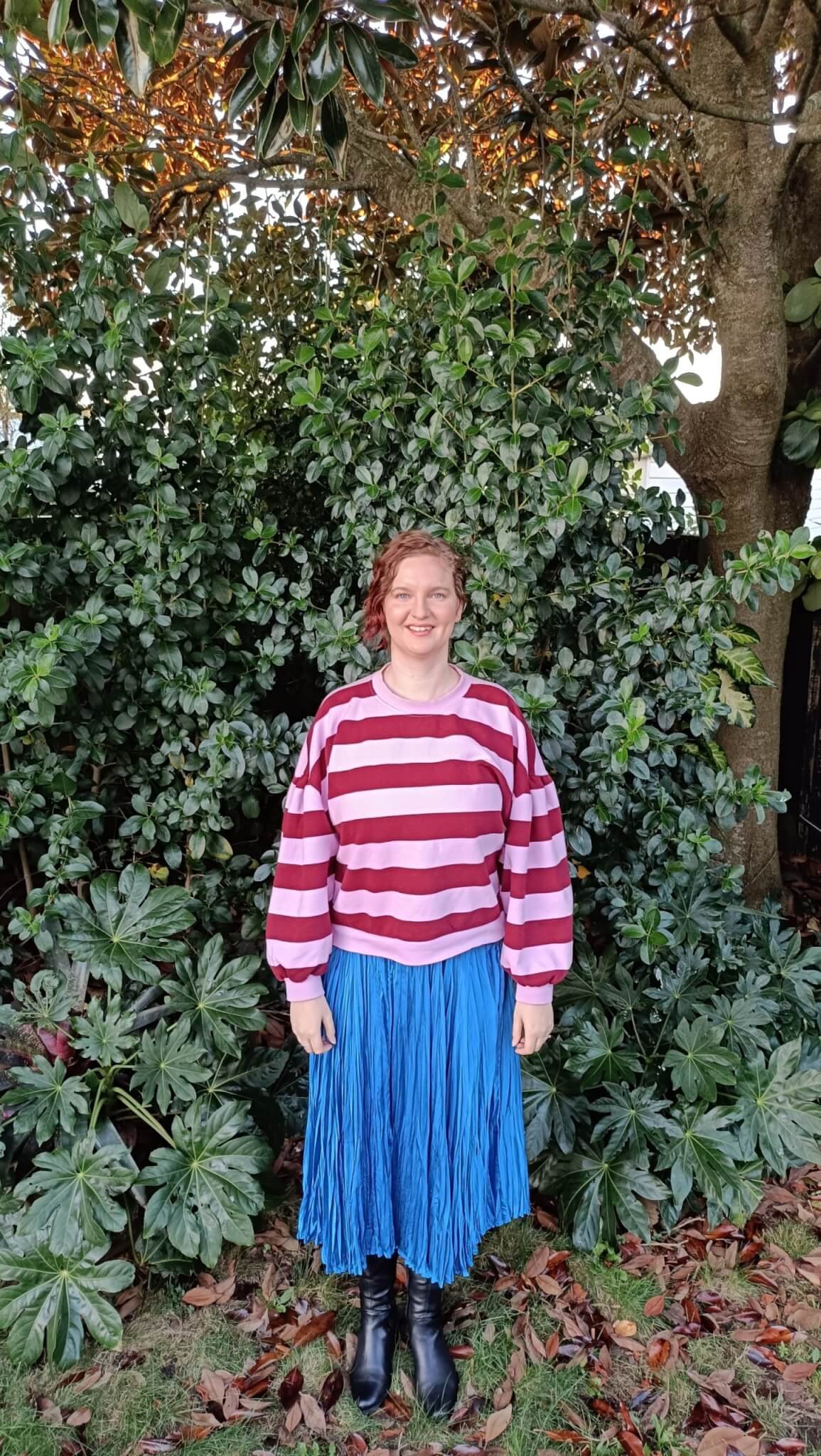
Rhiannon Webb is a Psychologist at the Ministry of Education in Waikato, and is also an APEX Delegate.
Where do you work and what do you do?
I work for the Ministry of Education in Kirikiriroa, Hamilton, Waikato, and I am a psychologist. I have worked here for 9 years. A lot of the children we work with are at risk of being stood down or being excluded, so we support them back into school. At the same time, we’re trying to support the whānau and the school to enable the time spent at school to be successful, helping teachers and whānau to better understand and support their child.
Sometimes it’s all about relationships, seeing their strengths, knowing the child, their whakapapa, bringing everyone together and doing one thing at a time to support each child where they are at.
“It’s all about relationships, seeing their strengths, knowing the child, their whakapapa.”
What does a good day at work look like for you?
Every day is very different. A good day is collaborative meetings where everyone is on board and we’re able to get the supports in place for the young person. We have the school on board. Everyone is working collaboratively as a team. Then having time to come back to the office and catch up with my team or other psychologists.
What impact does a psychologist have on a young person or child’s trajectory when you are able to put a successful set of interventions in place?
That they are attending school and that the school and the adults around them are confident and have the tools to both support the young child but also have an understanding of how their brain works and is able to adapt those supports to best meet those needs. The child feels like they belong, has good relationships and feels successful throughout the day. The family has the supports they need or knows the different agencies able to support them as well. So the child is both supported with a team at school and at home and everyone’s voices being heard.
You’ve been a Delegate through three rounds of collective bargaining. How have you found it?
Every time we go into bargaining, I learn something new, both from the bargaining team and the bargaining process at the table, but also from our members. It is different, but similar to our own psychologist role – in the importance of how we word things, how we represent people’s concerns, the examples we prepare and use. Bargaining makes us think about how best to raise issues and how to give members useful information on what is happening. This round just gone our Waikato members have really appreciated the little updates I’ve been able to share with them directly.
And this bargaining secured individual professional development allowances for the first time. What do you think the impact will be of that on psychologist practice and job satisfaction?
People are excited about having that and we’ve got members really looking forward to being able to plan their professional development. It will really benefit us getting the training we need to fill in those gaps of knowledge and provide us the tools to work with increasing complexity of the cases that we pick up.
How have paid internships changed the experience of interns at the Ministry of Education?
Obviously, the big thing is the pay, the recognition that they are an employee and just the safety of that because they still have a caseload and are working with our families. But even the simple things of having access to laptops and phones to contact our families. With the employment provisions the interns are more likely to stay on as registered psychologists and the managers are finding those positions for them and they’re feeling more valued as a member of their teams that they are in. Previously they were taken for granted with the scholarship that was in place. Big gaps between scholarship payments and working cases.
Do you think that MoE psychologists have benefitted from being part of a union of psychologists?
I think that’s why there are so many APEX members in our region – because they know that APEX will fight for the things that are important as specialists in our area, and they see that we are specialists, and that we need certain things, and an example of that is the ‘respecting expertise’ clause we recently placed in our collective. When going over with new members, or sometimes current ones, of all the things that we have fought for since becoming a Delegate, it’s the things that support psychologists to be psychologists at the Ministry of Education. You step back and see the workforce as a whole and you see the impact of all the small or not so small battles that we have had to get here. We had PD on the table for the last 3 rounds and finally got it over the line – sometimes members don’t realise all the stuff that happens behind the scenes and that we will keep trying for things. I think overall members know that they will be listened to, heard and that will be actioned in some way, shape or form.
What do you enjoy doing when you’re not at work?
I love to garden, do my hobbies at home, reading books, crafting and indoor plants. Hanging out with my family and friends and learning te reo Māori with my mum. Simple things like taking my dog for a walk on the beach with my husband!