Member Stories
Kerry Hughes, Radiation Therapist
“APEX is a force for good.”
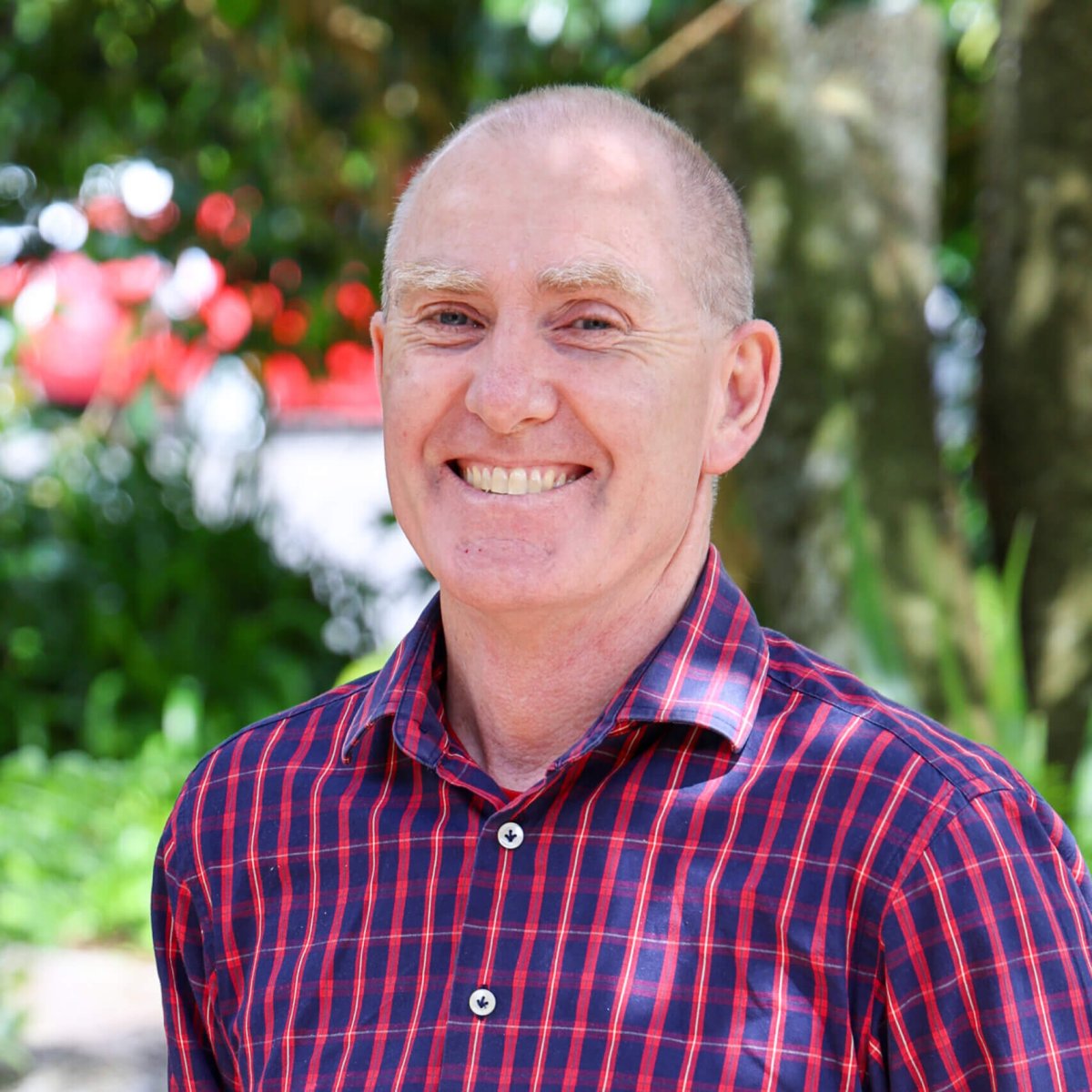
Stewart Smith has been a Medical Laboratory Scientist for over 30 years, and serves as the National President of APEX.
Where do you work and what do you do?
My name is Stewart Smith, I have worked as a Medical Laboratory Scientist (MLS) for well over 30 years in Christchurch, at Canterbury Health Laboratories. Firstly, in Immunology and since late 2022, in Toxicology. I enjoyed my training as a MLS and gaining the knowledge to practice in the profession.
What does a good day at work look like?
It is far too simplistic to say that Medical Laboratory Science is a task-based profession, however many laboratory people derive pleasure from successful completion of tasks. For me the knowledge that I have thought up something new, be it a type of test or a new way of doing something makes for a good day.
As a delegate, making sure a member is heard and treated fairly by their employer is a huge thing which makes for a very good day. I enjoy the role of helping to defend the conditions we as employees have now and helping APEX make things better.
What do you like about being a National Executive member?
I get enjoyment from the stewardship and governance role and helping to make sure that people will always have access to the types of services APEX provides. It means we are protecting the long-term capability of APEX to keep promoting Allied health careers into the future well beyond ourselves. That knowledge is satisfying. Discussing issues and solutions to them with other executive members has provided me with personal growth in governance and this is something I was able to bring to a school board role in Christchurch.
How have you found your involvement with APEX over the years? What makes us different, relevant…?
I enjoy being involved with APEX. I have always believed in the concept of collectivity, fairness and equitable share. Particularly in the health sector, workers are there primarily because they care about people. Health workers generally work very hard, in complex situations and in a lot of teams. We depend on each other professionally quite often to get patients through their journeys and sometimes we can forget that we must also take care of ourselves. APEX is always there to remind us of that and that we are the most important part of making these journeys happen.
I think APEX is very good at providing advice to members, even if sometimes it involves painful truths. This is something I value, and I know that APEX can speak to our employers impartially without the emotional baggage we carry as part of the job. This makes for effective advocacy on the issues rather than distractions. Experience counts for a lot here and knowing that APEX can call on experienced advocates is just fabulous. For me this, and the “grass roots” delegate structure, are key reasons I believe APEX will continue to be successful and grow.
What do you think APEX should focus on for AST professions in the future?
Lobby for more worker say in how the work is organised. The people who have good ideas are more likely than not, the ones doing the work. They are the ones who also know what will not work. A prudent manager would be doing this anyway, but once installed in the position, often lose some common sense.
“The people who have good ideas are more likely than not, the ones doing the work.”
Focussing on growing skill to encourage and/or enable members to become advisors to the profession through participation on governance groups or professional bodies. I think we are watching the largest destruction of the public health system in NZ history by the current government. They are looking to change the way professions are regulated, through to gazetting new workforces without thought to consequence. Things that I once thought were sacrosanct, such as consultation without predetermination, are ignored. Legislation is rushed through parliament under urgency, such as repealing Pay Equity, and weirdly, Te Mauri O Rongo, to make fundamental changes without ordinary process is in my view to avoid scrutiny. This has politicised health to the point this cannot be ignored. I know APEX acknowledges this is happening and I believe we must all work together to change the direction this is taking.
What do you like to do when you’re not at work?
I play football for an over 50’s team called “FC Twenty 11 Champagne XI” in the winter, and my wife and I like to go tramping when we can. Our last trip was to the natural hot pools at Welcome Flats just south of Fox Glacier on the West Coast. I’m also quite keen on mountain biking but don’t get enough chance to do it as often as I would like.